

New York Rhinoplasty
Consultations offered at our two convenient locations in Manhattan, NY and Queens, NY
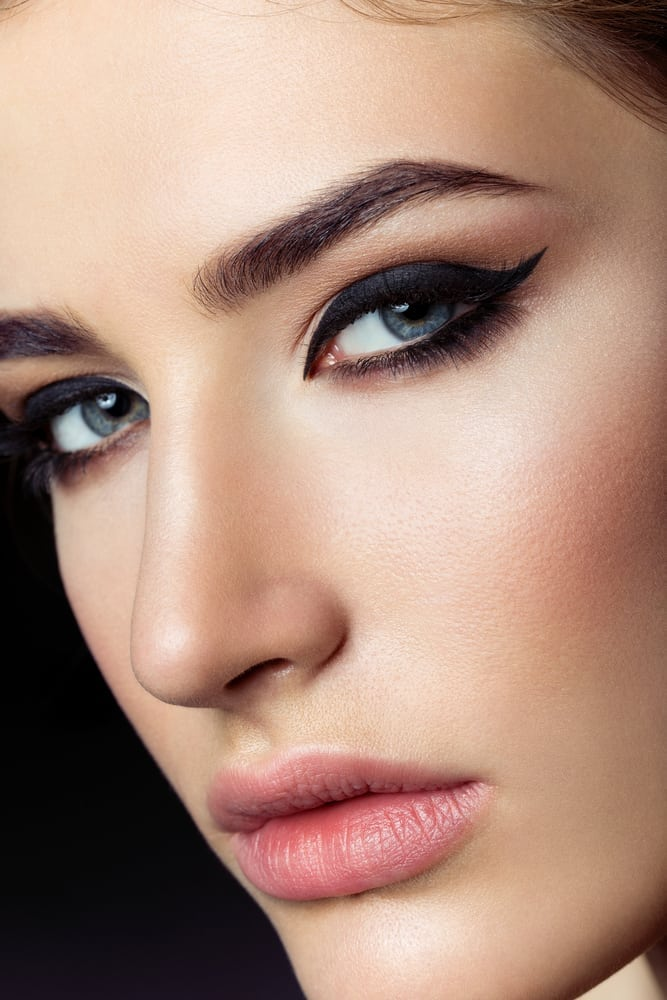
A rhinoplasty is a surgical procedure that reshapes the nose for either aesthetic or functional purposes. (1) There are several approaches—including open and closed techniques—as well as important considerations such as prior surgeries, past injuries, and each person’s unique aesthetic goals. Because the nose has such a complex structure and plays a central role in overall facial harmony, it’s essential to seek care from a surgeon with specialized expertise. When considering rhinoplasty, the goal is not to create a one-size-fits-all “ideal” nose, but rather to highlight and refine your own natural beauty so that your results feel balanced, authentic, and uniquely yours.
Led by board-certified surgeon Dr. Marc Everett, ME Plastic Surgery has helped patients from not just New York, but all across the country achieve their aesthetic goals. Dr. Ruya Zhao performs rhinoplasty procedures at ME Plastic Surgery. With training in rhinoplasty techniques, including ethnic rhinoplasty, Dr. Zhao exercises great precision and care in all procedures.
To begin your rhinoplasty journey, schedule a personal consultation with Dr. Zhao by either contacting us online or calling (212) 774-7715. Consultations are offered at both our Queens and Manhattan locations.
About Rhinoplasty
Rhinoplasty is a highly personalized procedure designed to refine the nose’s size, shape, structure, or symmetry. In addition to cosmetic enhancement, rhinoplasty can also improve breathing by addressing functional issues such as a deviated septum or collapsed nasal valves.
Every rhinoplasty at ME Plastic Surgery is tailored to harmonize naturally with the patient’s other facial features. Dr. Zhao offers both open and closed techniques, choosing the best approach based on your goals and anatomy. Open rhinoplasty, performed through a small incision on the columella, allows full access to the nasal structures—ideal for advanced reshaping or revision cases. (2) Closed rhinoplasty, performed with internal incisions, leaves no visible scars and may allow for a quicker recovery. (3)
4 Aspects of a Harmonious Nose
Achieving natural, beautiful results goes beyond changing the nose alone—it’s about balance with the entire face. Dr. Zhao considers four key aspects when designing a harmonious rhinoplasty result:
- Proportion: A harmonious nose fits naturally with the rest of the face. The ideal facial balance is guided by the 1:1:1 ratio—the distances between the forehead to eyebrows, eyebrows to nose, and nose to chin should be roughly equal. The ideal nasal height is about 67% of the length, aligning with the “golden ratio” of beauty. (4)
- Symmetry: Both sides of the nose should appear balanced and aligned, as even subtle asymmetries can affect overall facial harmony.
- Profile: The side view of the nose plays a crucial role in overall attractiveness. The nasal tip should sit slightly above the bridge, and its size should harmonize with the chin for a well-proportioned profile. Ideal angles include a 101-109° nasolabial angle (angle formed between the columella and upper lip) in females and a 91-103° angle in males, both of which create a refined and natural look. (5)
- Definition: Subtle refinements of the nasal bridge and tip contours ensure the nose looks elegant and defined without appearing overdone.
Techniques for Common Aesthetic Concerns
Dr. Zhao combines precision, artistry, and advanced surgical techniques to address each patient’s unique concerns. Every treatment plan is tailored to enhance facial balance while preserving a natural look.
- Dorsal Hump A dorsal hump is corrected through precise reduction of bone and cartilage. Depending on the situation, Dr. Zhao may also perform structural cartilage grafting, septoplasty, or osteotomies (precise bone reshaping) to smooth the profile while maintaining the strength and stability of the nose.
- Wide Nasal Bridge A wide bridge can make the nose appear less refined. Dr. Zhao uses osteotomy to narrow the bridge and create a more elegant contour that suits the face.
- Flat Nasal Bridge For patients with a low or flat bridge, the nose can be augmented with cartilage grafts harvested from the septum, ear, or—sometimes in revision cases—the rib. This creates a stronger, more defined bridge that enhances the profile.
- Bulbous Tip: A rounded or heavy nasal tip can be refined through suture techniques that reshape the tip cartilage. Partial reduction of the lower lateral cartilage may also be performed to achieve a slimmer, more delicate tip. In some cases, cartilage or soft tissue grafts are added for support and contour.
- Droopy or Long Nose: A long or drooping tip is often caused by weak tip cartilage support. Rhinoplasty strengthens and redefines the nasal tip using cartilage grafts from the septum, ear, or rib, creating a softer, more balanced appearance and restoring a youthful profile.
- Nostril Asymmetry or Flaring The shape of the nostrils has a major influence on facial expression. When necessary, Dr. Zhao performs alar base reduction (removing a small portion at the nostril base) to improve symmetry or reduce flaring. This is done with great care, as unnecessary reduction can lead to unnatural looks and potential scarring.
- Facial Balance True harmony comes from how the nose fits with the entire face. During consultation, Dr. Zhao evaluates the nose in relation to the midface, chin, and lips. In some cases, she may recommend complementary treatments—such as chin or midface augmentation with implants, fat transfer, or fillers—to achieve the most balanced and natural result.
Ethnic & Asian Rhinoplasty
Dr. Zhao has extensive experience performing Asian rhinoplasty and has trained with leading rhinoplasty surgeons in Korea, where some of the most advanced techniques in the field were developed. Today’s approach to rhinoplasty emphasizes celebrating individual beauty and heritage, rather than creating a universal or “standard” nose.
Ethnic rhinoplasty requires a deep understanding of the unique anatomical features of different ethnic groups, as well as the surgical expertise to refine details based on each patient’s needs. Every ethnicity presents distinct characteristics in skin, soft tissue, cartilage, and bone. It is crucial to work with a surgeon who has broad experience in tailoring rhinoplasty for patients of diverse backgrounds.
In general, Asian and African American patients often present with challenges such as:
- Thicker skin
- Bulbous nasal tip
- Weak septal cartilage
- Limited tip projection
For these patients, rhinoplasty frequently involves building up nasal structure with cartilage grafts harvested from the septum, ear, or rib. This creates stronger support, improved projection, and natural refinement—all while preserving the patient’s unique ethnic identity.
Benefits
Rhinoplasty with Dr. Zhao offers more than just aesthetic improvement—it can enhance both form and function. Patients often experience benefits such as:
- Improved nasal symmetry and proportion
- Reduction or elimination of humps, bumps, or depressions along the bridge
- Refinement of the nasal tip for a softer, more defined look
- Correction of breathing issues caused by structural obstructions
- Restoration of nasal shape after trauma or injury
- Long-lasting results with proper care and healing
- A boost in self-image and confidence
These benefits often extend well beyond appearance alone. Many patients describe their rhinoplasty as a transformative experience—finding both physical relief and emotional satisfaction through a nose that looks and feels more natural for them.
Candidates
Several factors determine whether rhinoplasty is the right option. Ideal candidates typically:
- Feel dissatisfied with the appearance of their nose
- Experience difficulty breathing due to structural issues
- Have sustained nasal trauma that altered the shape or function
- Have reached full nasal growth (usually in the late teens)
- Are non-smokers or willing to abstain from nicotine during recovery
- Are in good physical health with no untreated medical conditions
- Hold realistic expectations about surgical outcomes
During consultation, Dr. Zhao takes time to understand each patient’s concerns, goals, and anatomy to ensure rhinoplasty is safe, effective, and personalized.
Consultation
At ME Plastic Surgery, rhinoplasty is more than a procedure—it’s a personalized journey toward greater confidence, function, and balance. Dr. Zhao and her team will guide you at every step, ensuring safety, comfort, and results that feel authentic to you. Your journey begins with a one-on-one consultation with Dr. Zhao. During this visit, she will:
- Review your goals, symptoms, and surgical history
- Examine your external and internal nasal anatomy, skin quality, and airway function
- Evaluate any scar tissue, grafts, or deformities if you’ve had prior nasal surgery or trauma
Based on this comprehensive evaluation, Dr. Zhao will create a personalized treatment plan designed to achieve your goals while maintaining natural harmony with your features. You are encouraged to ask questions and share any concerns during this time.
Consultations are available at both our Queens and Manhattan locations. To schedule, contact us online or call (212) 774-7715.
How to Prepare
Once your rhinoplasty is scheduled, you’ll receive customized preoperative instructions. These may include:
- Temporarily discontinuing medications or supplements with blood-thinning properties
- Abstaining from nicotine and alcohol
- Filling postoperative prescriptions in advance
- Arranging transportation to and from the surgical facility
- Completing lab work or medical clearances, if needed
Proper preparation ensures a smoother procedure and recovery. Dr. Zhao and the ME Plastic Surgery team remain available throughout this stage to answer questions and provide guidance.
Procedure
Rhinoplasty is performed in an accredited surgical facility under IV sedation or general anesthesia, depending on your needs and the complexity of the procedure.
- Closed rhinoplasty: Small incisions hidden inside the nostrils
- Open rhinoplasty: A small incision along the columella for greater access to nasal structures
Dr. Zhao then reshapes the bone and cartilage to refine the structure and appearance. When needed, she may use cartilage grafts harvested from the septum, ear, or rib to provide long-lasting support.
Procedures typically last 1–4 hours, though complex revision cases may take longer.
Recovery
After surgery, you’ll be monitored in a recovery suite before going home. To protect the nose as it heals, Dr. Zhao typically applies a nasal splint, and in some cases, soft packing or internal splints are used to stabilize the airway.
- Stitch Removal: Usually performed 5–10 days after surgery
- Return to Light Activities: Most patients feel comfortable resuming normal daily routines in about 10 days
- Exercise Restrictions: Contact sports and strenuous activity should be avoided until Dr. Zhao clears you
You will receive detailed aftercare instructions covering swelling, bruising, hygiene, and medications. While much of the swelling subsides in the first few months, the nose will continue to refine for up to a year as tissues settle.
Throughout your healing journey, Dr. Zhao and her team remain by your side to support you and ensure your results look natural and harmonious.
Complementing Procedures
Rhinoplasty is just one of the many advanced facial rejuvenation treatments available at ME Plastic Surgery. For patients seeking a more comprehensive transformation, rhinoplasty can be complemented by other surgical and nonsurgical procedures.
- Facelift – Restores youthful definition by tightening sagging skin and underlying tissues of the lower face and neck.
- Brow Lift – Lifts and smooths the forehead while opening the eye area for a more refreshed, alert appearance.
- Eyelid Surgery (Blepharoplasty) – Improves drooping upper lids or puffy lower lids to brighten and rejuvenate the eyes.
- Nonsurgical Rejuvenation – Options such as injectables, fillers, and skin treatments can enhance results with minimal downtime.
These procedures are not required, but they may be recommended if they could help you achieve your aesthetic goals more fully. During your consultation, Dr. Zhao will discuss whether complementary treatments could enhance your overall results.
Results
The goal of rhinoplasty is to create results that look refined, proportionate, and lasting. Many patients find that even subtle changes to the nose can greatly enhance their overall profile and bring new confidence in their appearance.
Whether you are seeking dramatic reshaping or delicate refinement, Dr. Zhao designs every procedure to enhance your features naturally—never overdone or artificial. The adjustments are carefully tailored to ensure that your new nose feels like it truly belongs to your face.
Because rhinoplasty also strengthens the underlying nasal framework, the structural improvements are intended to be permanent. While some swelling continues to resolve in the months after surgery, your final result will be stable, balanced, and designed to age gracefully with you.
Cost of Rhinoplasty in New York City
The cost of rhinoplasty at ME Plastic Surgery varies based on the type of technique employed, anesthesia used, and complexity of the case. An estimate will be provided during your consultation.
Schedule your consultation today to explore your rhinoplasty possibilities. If you have any further questions, please call our Manhattan office at (212) 774-7715.
Insurance Coverage for Rhinoplasty
Because rhinoplasty treatments can offer functional benefits and are, in some cases, performed for medical purposes, there is a chance that your rhinoplasty treatment at ME Plastic Surgery could be covered by insurance. Dr. Everett and his staff have experience working with insurance providers, and can help you determine whether or not your treatment is eligible for partial or even potentially full coverage during your personal consultation. Additionally, Dr. Everett and his team offer free insurance verifications online that may be worth exploring.
FAQ
Can insurance cover rhinoplasty?
In some cases, yes. If you have a functional issue—such as difficulty breathing at rest or during exercise—insurance may cover part or all of your procedure. A consultation with Dr. Zhao is necessary to determine whether your situation qualifies.
What is the difference between open and closed rhinoplasty?
Open rhinoplasty uses a small incision across the columella (the strip of skin between the nostrils). It provides full visibility of the nasal structures, making it especially useful in complex or revision cases. Closed rhinoplasty is performed entirely through internal incisions, leaving no external scar. This approach may result in less swelling and a faster recovery.
Will I have visible scars?
Closed rhinoplasty leaves no external scars. In open rhinoplasty, the small incision on the columella typically heals very well and becomes barely noticeable over time.
Is recovery painful?
Most patients describe recovery as more congested than painful. Discomfort is usually mild and easily managed with prescribed medications.
How long until I see results?
You’ll notice improvements within the first six weeks as swelling decreases. However, it can take up to one year for the final shape to fully refine as the tissues settle.
Can rhinoplasty improve breathing?
Yes. Rhinoplasty can correct structural issues such as a deviated septum, enlarged turbinates, or collapsed nasal valves, significantly improving airflow and breathing.
What type of anesthesia is used?
Rhinoplasty is performed under IV sedation or general anesthesia, depending on the complexity of the surgery and the patient’s preference. Dr. Zhao will discuss the safest and most comfortable option for you.
Does Dr. Zhao perform revision rhinoplasty?
Yes. Dr. Zhao frequently performs revision rhinoplasty for patients seeking refinement or correction after previous nasal surgery. These cases are often more complex and require an individualized, meticulous approach.
References
- Fichman M, Piedra Buena IT. Rhinoplasty. PubMed. Published 2020. https://www.ncbi.nlm.nih.gov/books/NBK558970/
- Raggio BS, Asaria J. Open Rhinoplasty. PubMed. Published 2021. https://www.ncbi.nlm.nih.gov/books/NBK546628/
- Gupta R, John J, Ranganathan N, et al. Outcomes of Closed versus Open Rhinoplasty: A Systematic Review. Archives of Plastic Surgery. 2022;49(05):569-579. doi:https://doi.org/10.1055/s-0042-1756315
- Armengou, X., Frank, K., et al. Facial Anthropometric Measurements and Principles – Overview and Implications for Aesthetic Treatments. Facial Plastic Surgery. 2024;40(3), 348–362.
- Sinno, H. H., Markarian, M. K., et al. The ideal nasolabial angle in rhinoplasty: A preference analysis of the general population. Plastic and Reconstructive Surgery. 2014;134(2), 201–210.
https://doi.org/10.1055/s‑0043‑1770765
https://doi.org/10.1097/PRS.0000000000000385